Article Overview
Latest Research
Do humans and algorithms learn alike?
When children develop into adults, how they learn changes a lot. While children show a lot of random behaviour, adults perform more goal-directed actions. An influential theory describes these changes as being similar to the behaviour of an optimisation algorithm commonly used in machine learning. This empirical test shows that there are striking similarities but also important differences between human development and machine learning algorithms.
Read More

Debate
Developing Data Science and Machine Learning in Africa
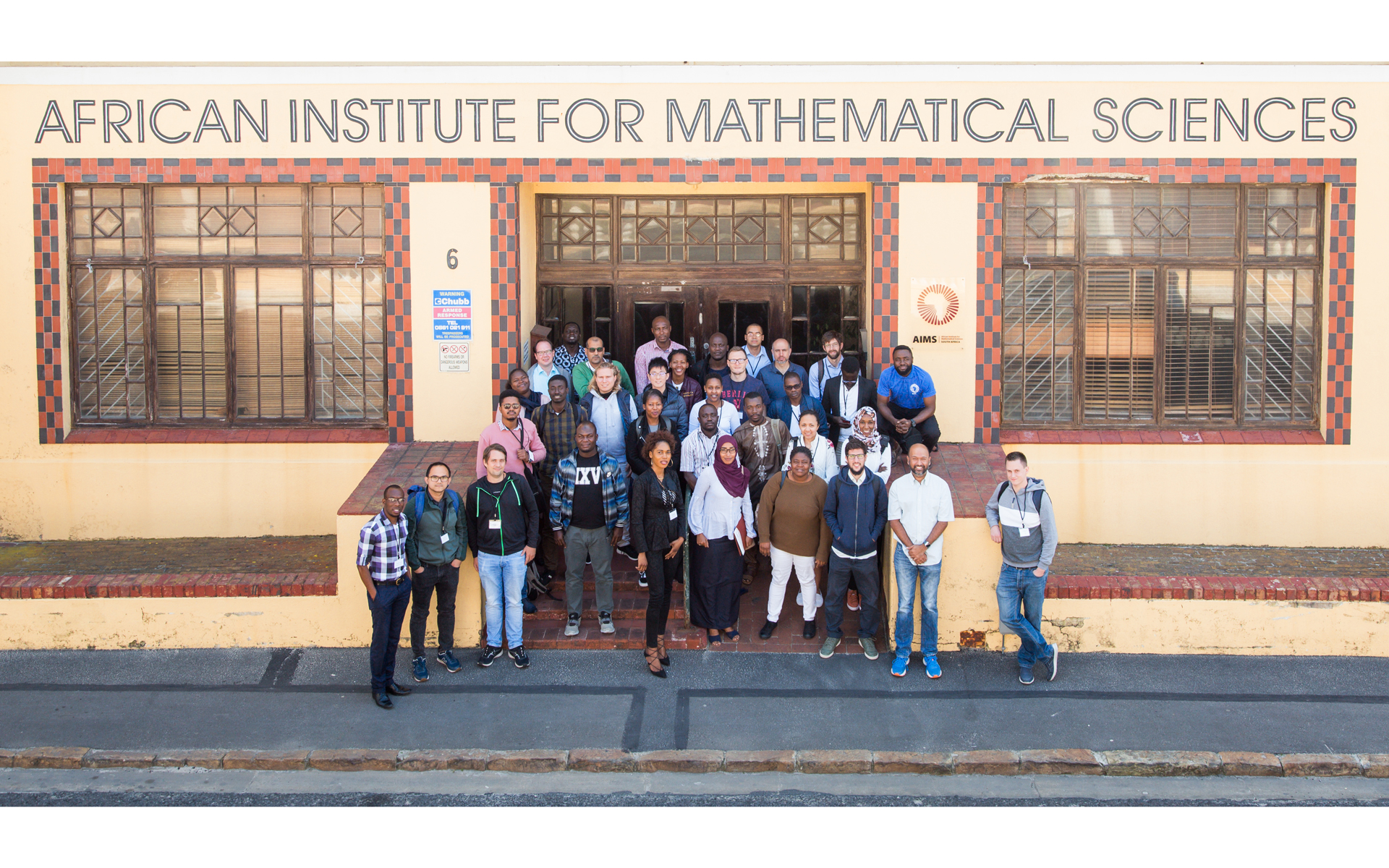
Research in machine learning and data science in and from Africa has the potential to play a more significant global role and faces unique challenges. The pan-African network of AIMS (African Institute for Mathematical Sciences) and its postgraduate programmes prepare young Africans to contribute towards this goal.
Read More
Latest Research
Opening the Black-Box of Deep Learning in Image Classification
Deep learning algorithms are very good at recognizing specific objects (e.g. a dog, a car) within an image (known as image classifiers). But how do they actually do that? Most often the mechanisms underlying an algorithm’s decision remain opaque. What if we could explain any such black-box algorithm intuitively and, by doing so, even learn from it?
Read More

Latest Research
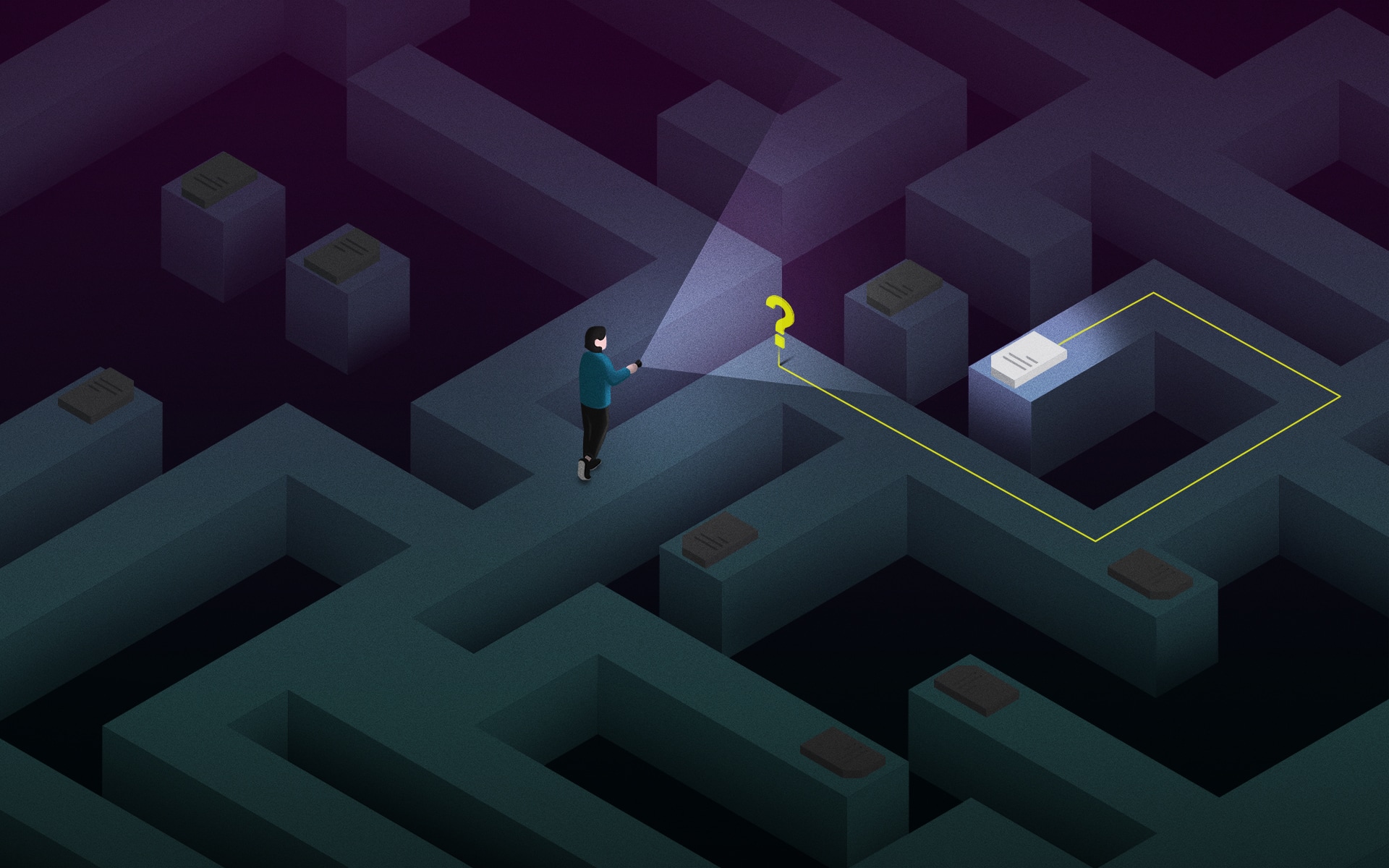
Artificial Intelligence (AI) – Should it explain itself?
We are no longer baffled by all the tasks algorithms can perform. And apparently, they are now even able to ‘explain’ their output. But is that something we really want?
Read More
Debate
AI as Mediator
There is currently much debate about the ethics of Artificial Intelligence (AI), with one widespread view holding that AI should never be used to make consequential decisions affecting people. In this blog post, I suggest that on the contrary, rather than worrying about AI “making decisions” about us, we should should pay more attention to who commissioned the chain of technological action using AI rather than the technology itself.
Read More